Can I Back Out From a Purchase Agreement?

Yes, you can back out from a purchase agreement, but what happens next depends on where you are in the process.
If the purchase agreement has not been signed yet, you can usually walk away without any penalties because there is not yet a binding contract between you and the seller. In many cases, buyers change their mind before signing for personal, financial, or property-related reasons.
Things become different once the purchase agreement has been signed by all parties. At that point, the agreement becomes a legally binding contract, which means both the buyer and seller are expected to follow its terms. While backing out is still possible, there may be consequences depending on the circumstances and the language written in the contract.
The consequences of canceling a purchase agreement can vary from one transaction to another. Some buyers may be able to cancel through a contingency or a mutual agreement with the seller, while others could lose their earnest money deposit. Because every real estate transaction is somewhat different.
Purchase Agreement vs. Offer: What's the Difference?
What Is a Real Estate Offer?
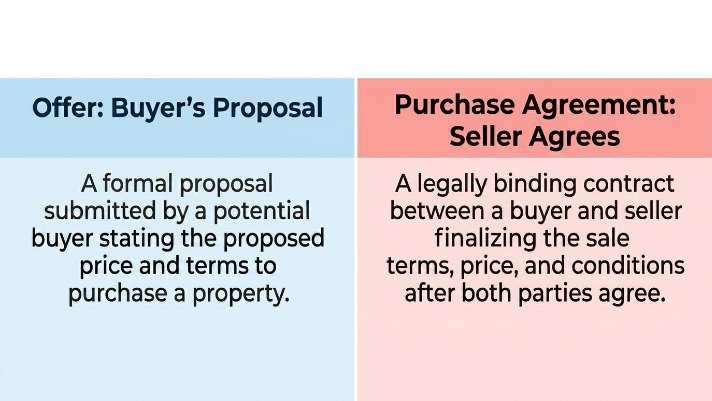
A real estate offer is a proposal from a buyer to purchase a property under certain terms and conditions. The offer typically includes the proposed purchase price, financing details, closing date, and any contingencies the buyer wants included. At this stage, the buyer is expressing interest in buying the property, but the transaction is not yet finalized.
What Is a Purchase Agreement?
A purchase agreement is the contract that contains the final terms of a real estate transaction, including the purchase price, deadlines, contingencies, and each party’s responsibilities. Once both the buyer and seller sign the agreement, it becomes legally binding.
After the purchase agreement is signed, both parties are generally expected to follow its terms. While it may still be possible to back out, doing so can involve negotiations with the seller and could result in the loss of earnest money in some situations.
What Happens if a Buyer Simply Changes Their Mind?
If a buyer decides they no longer want the property without a valid contractual reason, the most common consequence is the loss of their earnest money deposit. Earnest money serves as a good-faith payment that shows the buyer is serious about purchasing the home.
From the seller's perspective, taking a property off the market comes with risks. While the home is under contract, other interested buyers may move on to different properties. If the transaction falls through, the seller may have lost valuable time and opportunities to sell the home to someone else.
This is one of the main reasons earnest money exists. It helps compensate the seller for the time and opportunity lost if a buyer backs out of the agreement without a valid reason. In many cases, forfeiting the earnest money is the most significant consequence a buyer will face.
Mutual Cancellation (Mutual Rescission)
One of the most common ways to cancel a purchase agreement is through mutual cancellation, also known as mutual rescission. This occurs when both the buyer and seller agree that they no longer want to move forward with the transaction.
Because both parties consent to ending the agreement, neither side is typically considered in breach of contract. The terms of the cancellation, including what happens to the earnest money deposit, are usually negotiated and documented in writing. This allows both parties to walk away from the transaction without further obligations.
Other Contractual Exit Options
Some purchase agreements also contain contingencies that give buyers the right to cancel under specific circumstances. Common examples include inspection contingencies, financing contingencies, and appraisal contingencies.
For example, a buyer may decide to back out if a home inspection reveals major problems, if their mortgage financing falls through, or if the property appraises for less than the agreed purchase price. These provisions are designed to protect buyers when certain conditions are not met.
Because every purchase agreement is different, buyers should carefully review the contract and discuss their options with their real estate agent before attempting to cancel. Understanding the contingencies and deadlines in the agreement can help prevent unnecessary disputes and financial losses.
Who to Contact First in Case of Cold Feet?
Your real estate agent should usually be the first person you contact. They can explain what options may be available based on your contract and help you understand what consequences could apply.
Your agent can also communicate with the seller or the seller's agent on your behalf. This helps make sure the situation is handled professionally and that important information is shared correctly.
Most importantly, speaking with your agent early can help avoid misunderstandings and unnecessary conflict.
Do You Have to Negotiate With the Seller to Back Out?
In many situations, backing out of a signed purchase agreement is not something a buyer can do on their own. Instead, the buyer and seller may need to discuss how the contract will be terminated and what happens to any earnest money that was deposited.
When both sides are willing to cooperate, they can often reach an agreement that works for everyone. For example, the seller may agree to release the buyer from the contract, while the buyer agrees to give up part or all of the earnest money deposit. The final terms can vary depending on the circumstances.
If an agreement is reached, it is typically put into writing and signed by both parties. This creates a clear record that the contract has been canceled and that both sides understand their remaining obligations.
Is Backing Out a Purchase Agreement a Crime?
Many buyers worry that backing out of a purchase agreement could result in legal trouble or even jail time. In reality, canceling a real estate contract is generally a civil matter, not a criminal one.
The issue is usually whether one party has failed to meet the terms of the contract, not whether a crime has been committed. As a result, disputes are typically resolved through negotiations, mutual cancellation agreements, or financial remedies outlined in the contract.
For most buyers, the biggest concern is the potential loss of earnest money rather than criminal penalties. While every situation is different, backing out of a purchase agreement does not automatically mean you are committing a crime.
Losing Your Earnest Money Deposit
The worst-case scenario when backing out of a purchase agreement is losing their earnest money deposit. Earnest money is provided at the beginning of the transaction to show the seller that the buyer is serious about purchasing the property.
In many real estate transactions, losing earnest money is the most common consequence of backing out. While no buyer wants to lose their deposit, it is often a far more likely outcome than severe legal penalties.
Buyers are more likely to forfeit their earnest money when they simply change their mind after signing the purchase agreement and do not have a contingency or mutual cancellation agreement to rely on. However, the exact outcome will depend on the terms of the contract and the circumstances of the transaction.
Find Your Place by the Water
Wake up to lake views, enjoy peaceful sunsets, and live the lifestyle you’ve always imagined. Explore beautiful homes that capture the spirit of the lakefront dream.
View Our Lakefront ListingsRecent Blog

Can I Buy a House With Bad Credit? Here's What You Need to Know
The good news is that bad credit doesn't automatically shut the door on homeownership, it just means you'll likely need to take a slightly different path to get there.
Read MoreCan I Buy a House With Bad Credit? Here's What You Need to Know
Do You Have to Sign a Buyer Broker Agreement in Iowa?
Yes, it is. Since July 1, 2024, Iowa law has required buyers to sign a written agreement with their real estate agent before that agent shows them a property.
Read MoreDo You Have to Sign a Buyer Broker Agreement in Iowa?
Can I Buy or Make an Offer on a House Without Earnest Money?
If you're putting together an offer on a house and wondering whether you can skip the earnest money, the short answer is yes, technically. There's no law that says you have to include it. But in practice, an offer without earnest money is almost always turned down.
Read MoreCan I Buy or Make an Offer on a House Without Earnest Money?
Average Realtor Commission in Iowa: What Sellers and Buyers Should Know in 2026
You can expect to pay somewhere in the range of 5.7% to 5.9% of your home's sale price in total realtor commission.
Read MoreAverage Realtor Commission in Iowa: What Sellers and Buyers Should Know in 2026
How to Make an Offer on a House: A Step-by-Step Guide
Making an offer on a house involves submitting a written proposal that includes your price and purchase terms for the seller to review.
Read MoreHow to Make an Offer on a House: A Step-by-Step Guide
Are Homes Usually Inspected Before Listing?
No, homes are not usually inspected before listing. In most real estate transactions, the home inspection takes place after a buyer submits an offer and the seller accepts it. At that point, the buyer typically hires a professional inspector to evaluate the property's condition and identify any issues that may affect the purchase.
Read MoreAre Homes Usually Inspected Before Listing?
Can I Make an Offer Without a Real Estate Agent in Iowa?
The answer is yes, you can make an offer on a house without a real estate agent in Iowa. While many buyers choose to work with an agent during the home buying process, state law does not require you to have one when submitting an offer. This means you can represent yourself and communicate directly with the seller or the seller's representative if you decide to do so.
Read MoreCan I Make an Offer Without a Real Estate Agent in Iowa?
What Is the 3-3-3 Rule in Real Estate? A Guide to Homebuying
The 3-3-3 rule means having three months of emergency savings, saving an additional three months' worth of mortgage payments, and getting three property evaluations before buying a home.
Read MoreWhat Is the 3-3-3 Rule in Real Estate? A Guide to Homebuying
What Is a Bill of Sale in Real Estate?
A bill of sale is a legal document that records the transfer of ownership of personal property from the seller to the buyer.
Read MoreWhat Is a Bill of Sale in Real Estate?
Closing Documents: What They Are and Why They Matter in Real Estate
Closing documents are the final legal papers signed during a real estate closing to complete the home sale and transfer ownership.
Read MoreClosing Documents: What They Are and Why They Matter in Real Estate
Closing Costs Explained: Common Fees Homebuyers Should Expect
Buyers usually pay about 2% to 6% of the loan amount in closing costs, depending on the lender, loan type, and location.
Read MoreClosing Costs Explained: Common Fees Homebuyers Should Expect
What Is a Closing Disclosure? Everything Homebuyers Need to Know
A closing disclosure is a final loan document that shows your mortgage terms, monthly payments, closing costs, and total loan fees.
Read MoreWhat Is a Closing Disclosure? Everything Homebuyers Need to Know